AFRICA • CAMEROON
Cameroon’s informal work figure: what the 2021 survey tells us
Official survey data put 86.6% of Cameroon’s jobs in the informal sector. The figure describes work measured in 2021, not a newly released 2026 employment result.
By ChikieChikie News
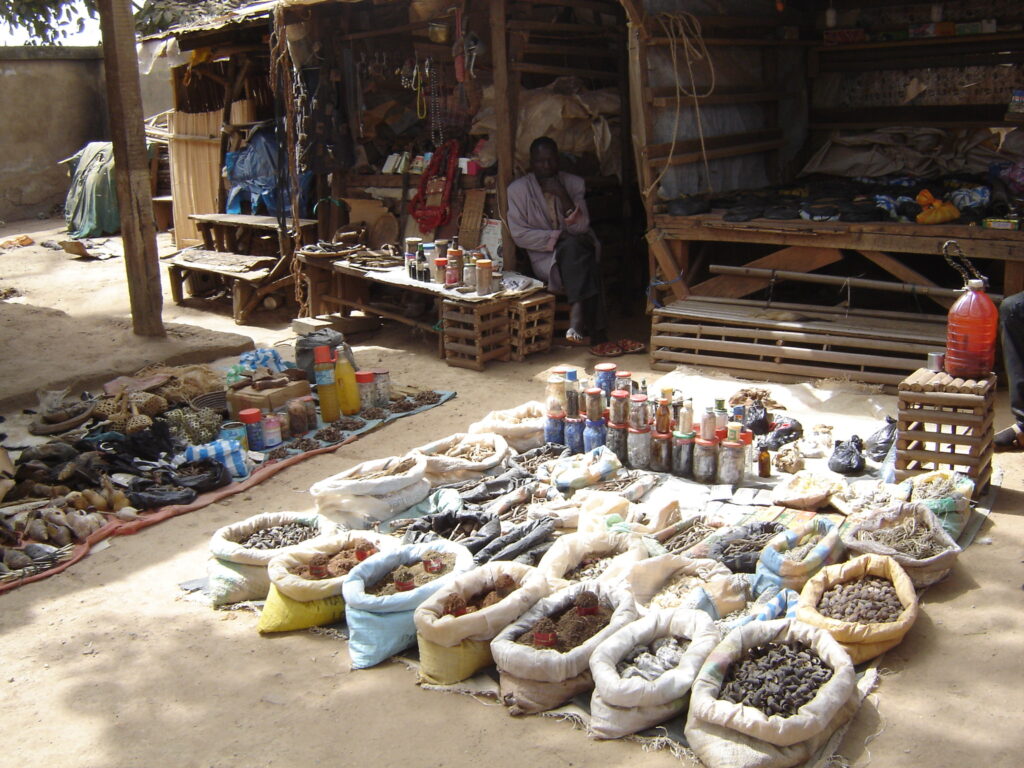

An important figure with an older date
Cameroon’s National Institute of Statistics, known as INS, reported that the informal sector accounted for 86.6% of jobs in its third employment and informal-sector survey, EESI3. That finding is useful context for understanding the labour market, but its date matters.
Fieldwork took place between 10 May and 10 July 2021. The institute’s online main-report summary is dated 1 November 2023. Readers encountering the percentage in current discussion should therefore understand it as a survey finding about 2021, rather than a fresh count of jobs in October 2026.
What the survey measured
The employment report divides jobs into four broad groups. Non-agricultural informal work accounted for 52.0%, agricultural informal work for 34.7%, public employment for 8.2%, and formal private-sector employment for 5.1%. The published informal total is 86.6%; the displayed components are rounded, so their sum need not match it exactly.
EESI3 had two connected phases: one examined employment, while the other studied non-agricultural informal production units. The INS methodology describes nationwide coverage and a sample organised across 12 survey regions, treating Douala and Yaoundé separately from their surrounding regions.
This distinction is important when comparing tables. A finding about non-agricultural informal businesses is narrower than a finding covering all informal-sector jobs, including agricultural work. The populations measured should be checked before percentages are combined.
Informal work and everyday security
Informal-sector employment and informal employment are related ideas, but they are not identical statistical labels. The International Labour Organization distinguishes the characteristics of the enterprise from the protections attached to a person’s job. A worker can hold an informal job even within a formal enterprise.
Informality can include people working for themselves, contributing family workers and employees without the formal protections associated with their employment. It is not another word for unemployment: people may be working and earning income while lacking secure contracts, benefits or social protection.
For households, the practical questions extend beyond whether somebody has a job. They include what happens when a worker becomes ill, is injured or cannot work, and whether their employment provides support. The ILO’s guidance connects informality with gaps in employment protection and representation.
How to read the numbers responsibly
The headline percentage alone cannot tell us each worker’s income, working hours or personal circumstances. Nor does a 2021 snapshot demonstrate that the share has risen or fallen since then. Establishing a trend requires comparable results measured at different times.
For a clearer reading, ask three questions: which year does the data describe, which workers are counted, and which definition of informality is used? These checks help avoid confusing the scale of work in informal businesses with an unemployment rate or a measure of poverty.
The evidence reviewed establishes the source and age of the 86.6% figure. It does not establish a replacement 2026 estimate. The survey remains useful background, provided its historical date stays visible and any future comparison uses consistent definitions.
Key facts
- 86.6%: published share of jobs in the informal sector.
- EESI3 fieldwork: 10 May–10 July 2021; report summary dated 1 November 2023.
- Informal-sector employment is not an unemployment rate.
Sources and verification
Corrections & updates
Draft prepared on 8 October 2026. Recheck the reporting and sources before publication.
Related stories
Related headline one
Short description.
Related headline two
Short description.